Bodily Fluid Cleanup
Bodily fluid cleanup removes fluids and disinfects affected areas in businesses, homes and care settings.
See bodily fluid cleanupGet vomit removed from a home, rental, vehicle or business in New Castle, with careful cleaning, disinfection and odor treatment for the affected materials.
Vomit cleanup is the careful removal of stomach contents, contaminated disposable materials and residue, followed by cleaning, disinfection and odor treatment of the affected area.
The work may be needed in a home, apartment, hotel room, school, office, store, restaurant, rideshare vehicle or other shared space. A cleanup technician checks where the fluid landed, including nearby walls, furniture seams, floor edges and objects that may have been touched afterward. This wider check matters because shoes, cleaning tools and hands can carry contamination beyond the visible spot.
Professional vomit cleaning is different from ordinary janitorial cleaning. The area is controlled, technicians wear protective equipment, disposable matter is removed without unnecessary splashing, and each compatible surface is treated with an EPA-registered disinfectant for the full contact time on its label. Porous materials are assessed separately because liquid can move below the surface.
Photos, a description of the cleanup scope and records for removed materials can support your discussions with insurance companies or property managers.
In every situation, you are told what cleaning includes, which porous materials require evaluation and the factors shaping cost. Your questions should receive answers from cleanup crews throughout the entire process.
Your private situation draws less attention when crews arrive in unmarked vehicles and contain the cleanup area.
To keep treatment and removal choices understandable, you are included when affected personal belongings, bedding, furniture and clothing are evaluated.
When ordinary household methods cannot safely or completely address a spill because of its amount, surroundings or possible cause, professional cleanup may be appropriate. Common examples include:
A personal or work car, taxi, rideshare vehicle or bus may have vomit inside its carpet, vents, door pocket or seat seam.
Delayed discovery, a major spill or contamination in affected areas can raise serious health concerns that call for a cleaning process planned around protective gear and containment.
Contaminated touchpoints may spread a suspected or known stomach illness through a school, care setting, workplace or home.
Controlled cleaning is needed after an employee or customer becomes ill in a hotel, office, store, restaurant or another public-facing place.
First, keep people protected and stop contamination from spreading into a larger space. While you wait for technicians to inspect the area, take these steps:
Call (888) 440-9227A specific cost for vomit does not appear in the published data that is available. Bodily-fluid guides offer the nearest comparison, showing a $500 to $2,500 range when blood or fluid cleanup is small. A wider published span for blood cleanup runs from $300 to $4,000. These figures are comparisons rather than a vomit cleanup quote. An assessment determines the area, materials, waste needs and odor work that affect your final cost.
These national ranges are taken from published cost guides, rather than a property visit. The price for your property is set after the on-site assessment, and you hear it before work starts.
Ask about cost: (888) 440-9227Whether insurance applies depends on the incident's cause, damage extent, deductible and individual property policy. Sudden property damage and routine cleaning are often treated differently, so you should ask the insurance company about the circumstances of your loss.
Following a damaging or major incident, a homeowner may report it and ask if the policy includes bodily fluid cleanup, contaminated materials and associated restoration.
Who pays, whether a business, property owner, tenant or guest, depends on what happened, where it took place and the terms for the rental or lodging.
Check how your deductible applies and ask about coverage for the event's cause, necessary records, affected porous items and any related restoration services. When you need insurance assistance, reach out to the agent or company shown on your policy.
Property owners and managers can consult commercial coverage plus the internal incident procedure before they approve material removal or cleaning services.
Keeping contamination out of clean areas requires professional vomit cleanup to proceed in a controlled order. The full process follows that order. How each remediation step is completed depends on what surface was affected, where the incident happened and the possible cause of sickness.
When cleanup involves more than the visible spill, technicians also identify nearby touchpoints, tracked paths and porous materials that may have absorbed fluid.
Entry is controlled while clean spaces are isolated from affected areas, and appropriate protective gloves, garments and face equipment are worn.
Crews collect and contain large material plus disposable waste while avoiding dry sweeping, strong spraying and needless travel across the property.
A surface-safe cleaner removes visible matter first, allowing disinfectant to contact the material under the residue.
Compatible hard surfaces are treated with an EPA-registered disinfectant and kept wet for the full contact time stated on the product label.
Unfinished materials, upholstery, carpet and underlying padding are examined below the surface. Treatable items are cleaned, and material that cannot be fully cleaned is set aside for removal.
Remaining odor is traced to its source, nearby materials are checked again and air movement is managed without blowing contamination into clean rooms.
Crews examine the cleanup space, touchpoints and travel path to verify completion of every step in the work plan. Supplies are removed carefully, and the space is left ready for any needed repair.

Call at any time. A specialist in vomit cleanup takes your call, explains each step and agrees on a start time with you.
Vomit becomes a potential biohazard when infectious germs may be involved, or when the amount and materials reached create difficulty with safe removal.
It can feel upsetting when someone abruptly becomes ill in a business, school or home. A calm cleanup plan helps you keep others away and move forward without unnecessary exposure.
Germs from stomach illnesses can be left behind in vomit and on nearby touchpoints. Treat an unknown spill as potentially contaminated, especially when several people are sick.
Below-surface fluid can remain within carpet pad, raw wood, foam upholstery or the filling of a mattress. Contaminated materials that cannot be fully cleaned may need removal.
Can you clean it yourself? A fresh, limited spill from a noninfectious cause may be manageable on sealed hard material when you follow every label direction for an EPA-registered disinfectant and use gloves plus disposable towels. Seek professional cleanup when illness may be contagious, the spill is large, odor remains, or fluid reached carpet, padding, upholstery, unfinished wood or hidden gaps.
For a small and recent spill on hard material, cleaning and disinfection may be completed in a few hours. Expect a longer process for an affected vehicle interior or multiple rooms, and if fluid penetrated padding, furnishings or unseen gaps. Full disinfectant contact time and drying must be allowed, along with odor checks and possible removal of materials.
| Scene | Typical time on site |
|---|---|
| A small affected spot on finished hard material | Often several hours |
| Contamination involving carpet, furniture fabric or several surfaces | Commonly less than one day or up to one day |
| Several contaminated areas or deep penetration into porous materials | Could require one day through several days |
Removing the source is the starting point for vomit odor treatment. Scent products do not clean contamination trapped beneath carpet borders, within upholstery joints, under vehicle seating or inside unfinished material. If an odor comes back, fluid or a contaminated object may still be present.
After the space has been cleaned and disinfected, technicians recheck impacted porous materials and let them dry. Where the work is suitable, HEPA-filtered equipment may help control airborne particles. It cannot replace removal of the source. Ventilation choices are based on the setting because strong air movement at the beginning of cleanup could push droplets or smells toward surrounding rooms.
The OSHA Bloodborne Pathogens Standard, 29 CFR 1910.1030, applies when workers have occupational exposure to blood or other covered materials. Rather than presume that spills are identical, the employer should examine the specific exposure.
Choose an EPA-registered disinfectant labeled for the specific germ and suitable for the affected surface. Maintain visible wetness for all of the contact time required by the product label.
Kentucky has no single medical waste agency. The Energy and Environment Cabinet's Division of Waste Management permits medical waste transfer stations, and most landfills accept this waste only after treatment, so it should not go in household trash.
If illness affects a group at a workplace, food business, care setting or school, use the facility response plan and follow directions from the relevant local health authority.
The full vomit cleanup guide covers what is cleaned or removed, odor and air quality work, and the rules that apply in Henry County and Kentucky.
Read the full vomit cleanup guide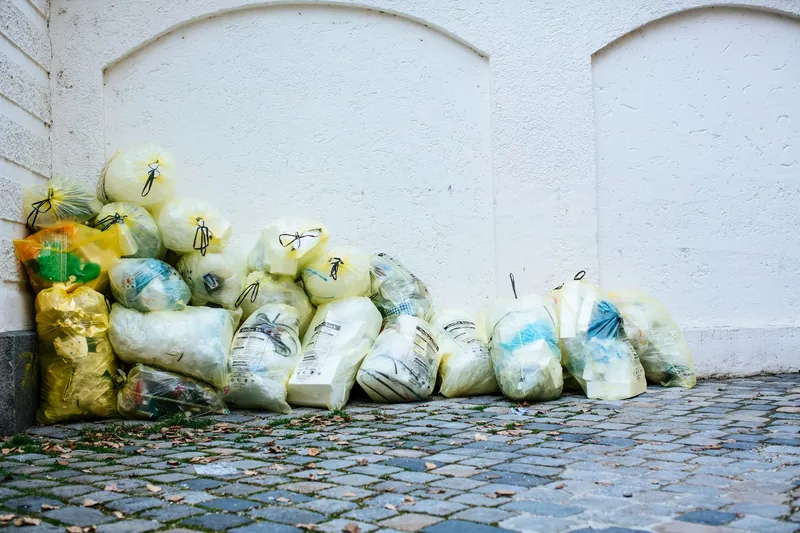
Containment, entry and cleanup plans can be influenced by local housing, population and access details.
Because 46.3% of households rent, crews may need building approval before removing contaminated carpet, drywall, or other fixed materials.
Because the median home dates to 1968, cleanup plans should distinguish washable surfaces from absorbent carpet, padding, and wallboard.
Because 51.8% of older residents live alone, neighbors and family contacts can play an important role in noticing unusual silence.
A 66.0% single-family share makes property type an early question when setting containment and equipment routes.
You can ask about cleanup in nearby communities and ZIP codes during the call.
Bodily fluid cleanup removes fluids and disinfects affected areas in businesses, homes and care settings.
See bodily fluid cleanup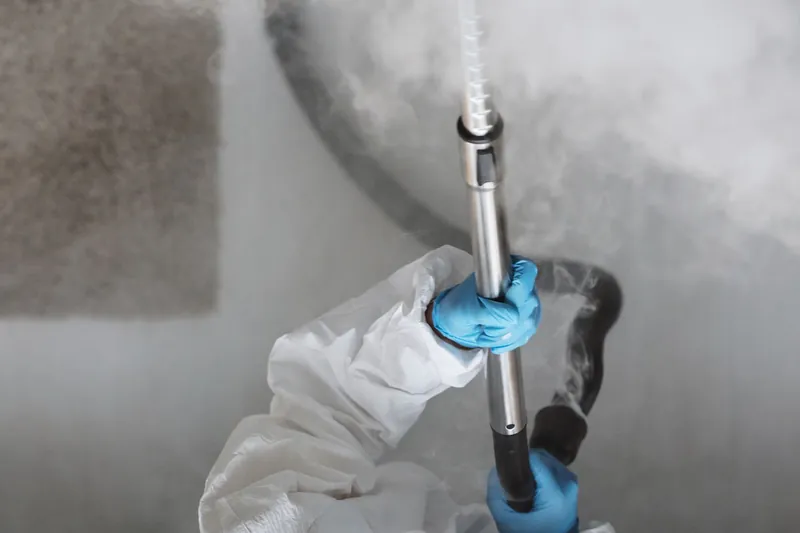
Disinfection for infectious disease uses EPA-registered products with complete coverage of surfaces.
See infectious disease disinfection
MRSA, C. diff and norovirus cleanup for homes, care settings and gyms.
See mrsa, c. diff and norovirus cleanup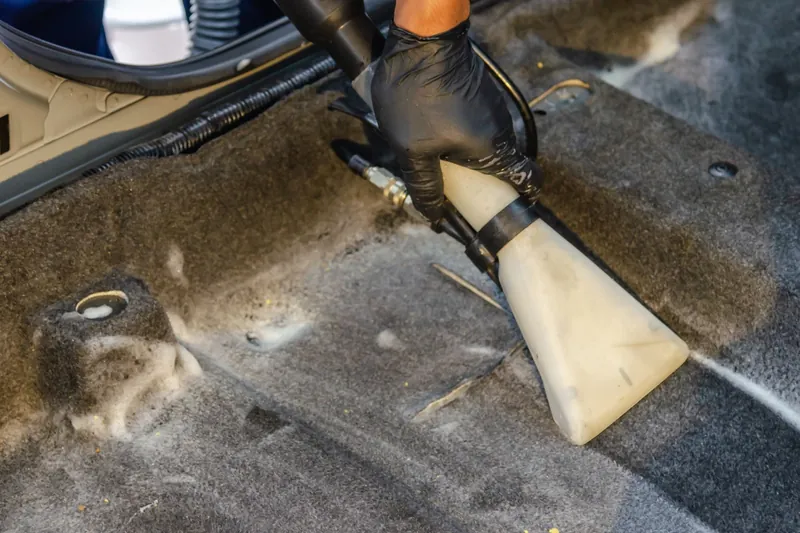
Carpet and upholstered items receive biohazard cleaning or are removed safely if necessary.
See biohazard carpet and upholstery cleaning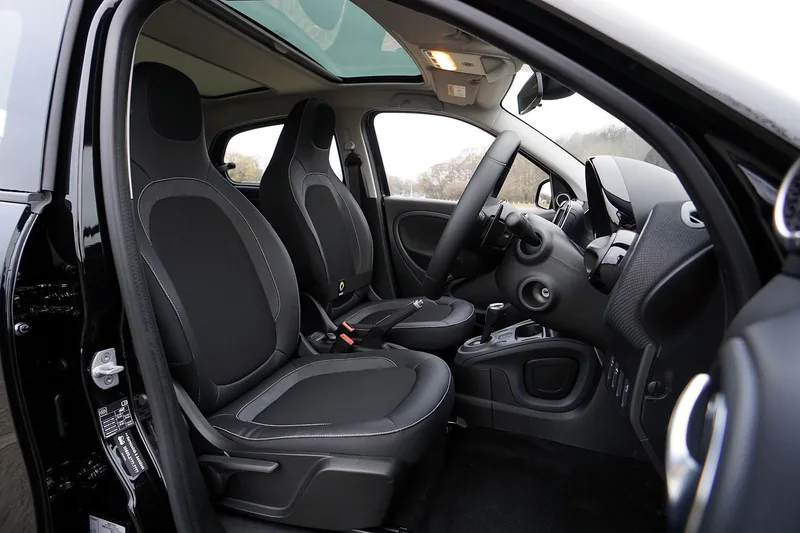
Vehicle biohazard cleanup for cars, trucks, boats and RVs.
See vehicle biohazard cleanup
Commercial and industrial biohazard cleanup planned around site access and operating needs.
See commercial and industrial biohazard cleanup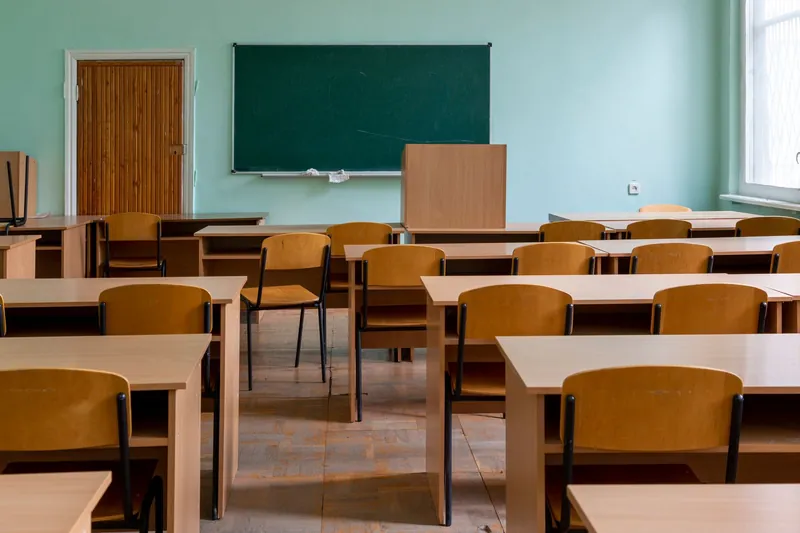
Biohazard cleanup for daycares and schools takes place outside classroom hours.
See school and daycare biohazard cleanup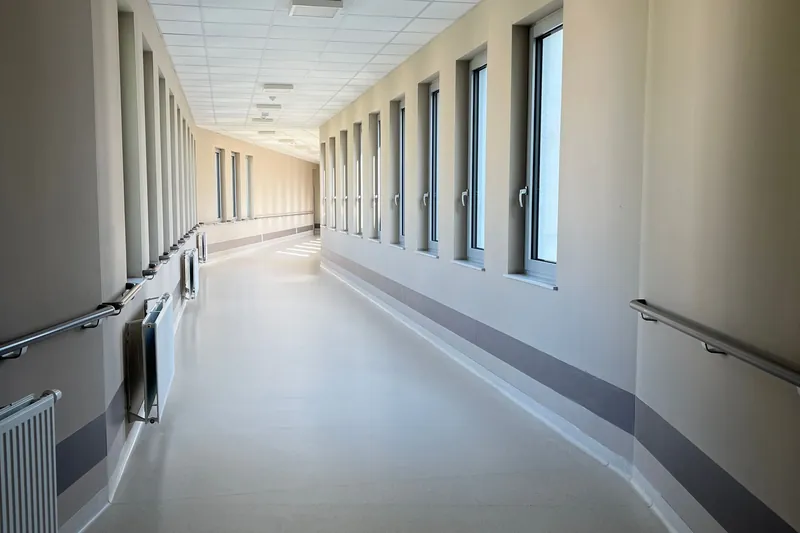
Clinics, healthcare facilities and care homes receive biohazard cleanup.
See hospital and healthcare biohazard cleanupCall when the spill is large, the cause is unknown, an infectious illness is suspected, several areas are affected or fluid reached carpet, padding, upholstery, a mattress or hidden gaps. Professional cleanup is also appropriate in shared commercial spaces where employees, customers, guests or children could enter the affected area.
Crews address odor by taking out all remaining residue and porous items that thorough cleaning cannot restore. The area is then cleaned, disinfected where appropriate, dried and checked again. Added fragrance cannot replace removing the odor source. When odor comes back, its cause may still be concealed in furnishings, below flooring or inside another hidden area.
Yes, if someone has norovirus, their vomit may contaminate objects and surfaces close to the spill. Restrict access, do not use vacuums or strong sprays, and apply an EPA-registered disinfectant labeled for the target germ to compatible surfaces. Use the precise preparation method, surface wetting and contact time stated on the label.
Vomit is a bodily fluid made up of material expelled from the stomach. Avoid spreading contamination onto surrounding surfaces or allowing contact with clothes, skin and eyes. Using gloves, lifting material with care, cleaning prior to disinfection and allowing the full product contact period can reduce exposure and stop residue from spreading through the building.
The disinfectant must remain for as long as its label directs. The material generally stays visibly wet during all of the contact time, which varies based on the specific product and germ. Start by lifting visible residue and cleaning, and afterward apply the product to compatible surfaces exactly according to its label directions.
Available published figures do not include a range solely for vomit. Published bodily-fluid guides offer the closest comparison, with $500 to $2,500 for small blood or fluid cleaning and $300 to $4,000 for broader blood cleanup. The figures shown are comparisons, not your quote. Cost changes with the surfaces involved, size of the affected area, waste, lingering odor and any needed removal.
You can request respectful, discreet vomit cleanup 24 hours a day, and crews use unmarked vehicles.